
Why Most People Fail Not Because of Lack of Talent but Lack of Direction
A Research Based Perspective on Talent, Discipline and Life Strategy


Abstract
Success is often perceived as a joining mmnnnresult of talent.However research in psychology and personal development shows that talent alone rarely determines long term achievement.Many individuals possess remarkable abilities yet fail to reach their potential due to lack of direction unclear goals and absence of strategic planning.
This article examines the relationship between talent,discipline,goal clarity and life strategy arguing that structured direction and consistent effort play a more decisive role in success than natural ability.
Keywords: Talent,Discipline,Goal Clarity, Personal Growth,Life Strategy,Success Psychology
1. Introduction

In contemporary society talent is often glorified as the primary ingredient of success. Students are praised for intelligence athletes for natural ability and professionals for exceptional skills.Yet reality repeatedly demonstrates that talent alone does not guarantee achievement.
Many highly talented individuals remain unsuccessful while others with average abilities achieve extraordinary results.The difference often lies not in capability but in direction.
Direction provides individuals with a clear path defined objectives, and meaningful focus.Without it even the most gifted individuals may wander through opportunities without reaching their full potential.
This article explores why discipline,goal clarity and life strategy are more significant determinants of success than talent alone.
2. Understanding Talent: Potential Without Structure

Talent refers to a natural aptitude or ability that enables individuals to perform certain tasks more efficiently than others. Psychological studies suggest that talent may provide an initial advantage in learning and performance.
However talent has an inherent limitation it represents potential rather than achievement.
Without structure, lguidance and consistent development,talent remains dormant.Many individuals mistakenly assume that natural ability alone will lead them to success.As a result they may neglect disciplined practice and strategic planning.
Research in performance psychology indicates that individuals who rely solely on talent often experience stagnation as they fail to develop the habits required for sustained progress.
Thus talent should be viewed as a foundation upon which success is built not the final outcome.
3. Talent vs Discipline: The Real Determinant of Success

Discipline refers to the ability to maintain consistent effort toward a goal despite difficulties distractions or lack of motivation.
While talent may offer a starting advantage discipline ensures continuous improvement and mastery over time.
Behavioral psychology research demonstrates that disciplined individuals often outperform talented but inconsistent individuals.Discipline transforms ability into measurable results through repetition,learning and perseverance.

Key characteristics of disciplined individuals include:
•Consistency in effort
•Long-term commitment to goals
•Ability to overcome temporary failures
•Continuous self-improvement
In many cases success is not determined by who is the most talented but by who remains committed to the process for the longest period of time.
4. The Importance of Goal Clarity
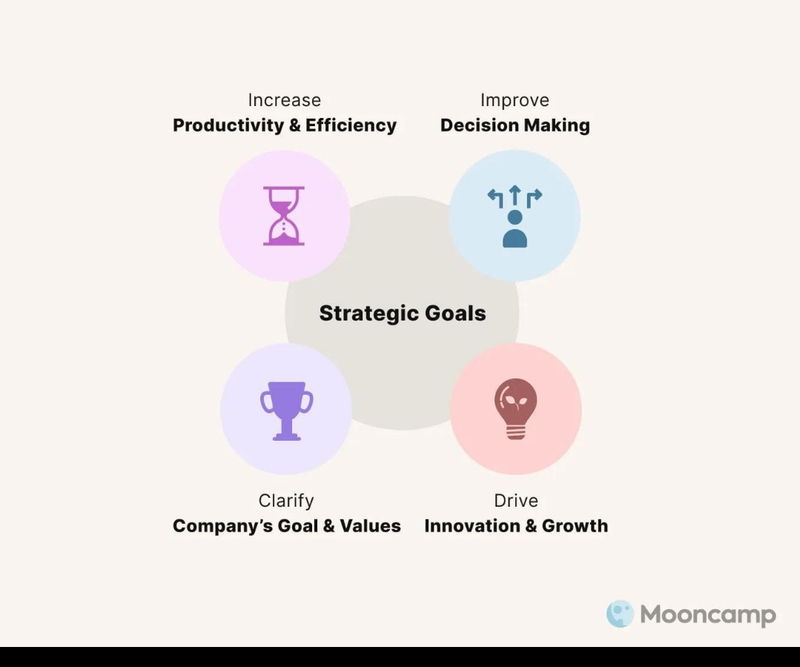
A common reason for failure is not a lack of effort but a lack of clearly defined goals.
Goal clarity provides direction, motivation, and measurable outcomes.When individuals understand what they want to achieve their actions become more focused and purposeful.
Goal setting theory suggests that specific and challenging goals significantly improve performance and persistence.
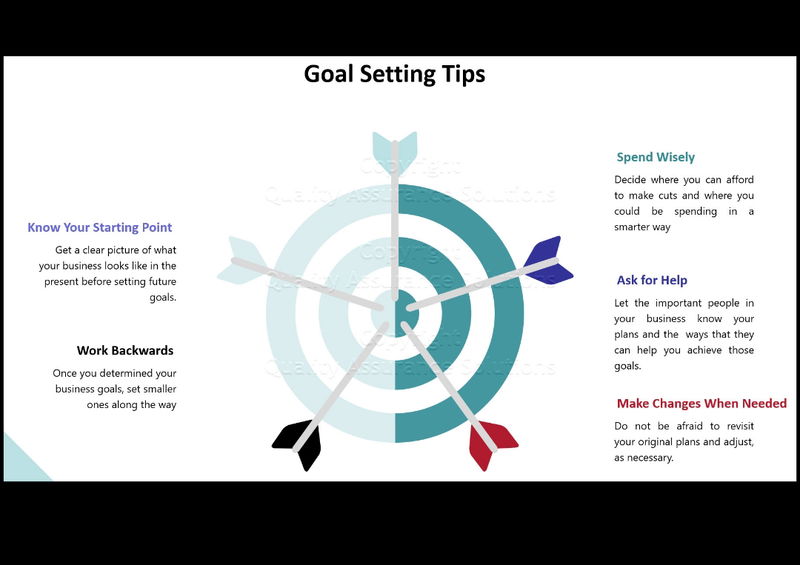
Effective goals typically possess the following characteristics:
•Specific and clearly defined.
•Measurable progress indicators
•Realistic yet challenging
•Time-bound and structured
Without goal clarity individuals may remain busy but unproductive investing energy in activities that do not contribute to meaningful progress.
5. Life Strategy: Turning Goals into Reality

A life strategy refers to a structured approach to achieving long term objectives. It involves aligning decisions,habits and priorities with one's desired future.

Many successful individuals attribute their achievements to carefully planned strategies rather than spontaneous opportunities.
A strong life strategy often includes:
•Identifying long-term ambitions
•Breaking goals into achievable steps
•Monitoring progress regularly
•Adjusting plans based on experience and feedback
Strategic thinking allows individuals to convert abstract dreams into practical actions.
Without strategy ambition often remains unfulfilled potential.
6. Why Direction Matters More Than Ability
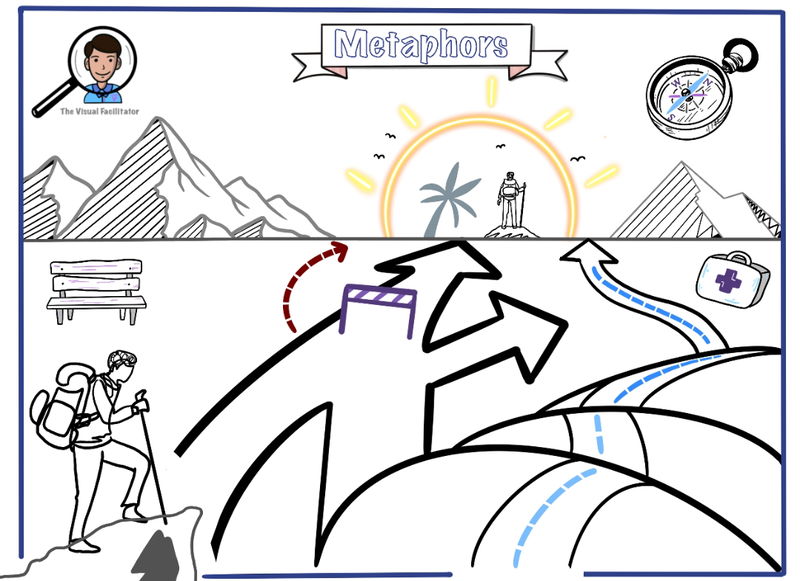
Direction serves as the framework that aligns talent discipline, and goals into a meaningful system.
Without direction:
•talent becomes wasted potential.
•effort becomes scattered.
•opportunities remain underutilized.
With direction:
•talent becomes productive
•discipline becomes purposeful
•goals become achievable.
•Direction transforms raw energy into progress and achievement.
7. Discussion
The widespread belief that success is primarily determined by talent oversimplifies a complex reality.While talent may accelerate learning, it cannot replace discipline,strategic planning and clarity of purpose.
Modern research increasingly highlights the importance of growth mindset,perseverance and deliberate practice as key factors in long-term success.
Therefore the real challenge individuals face is not discovering talent but developing the direction necessary to utilize it effectively.
8. Conclusion
Failure is often misunderstood as a lack of ability. In many cases individuals fail not because they lack talent but because they lack clear direction and structured strategy.
Talent may open opportunities but discipline, goal clarity and life strategy determine whether those opportunities lead to meaningful achievement.
Ultimately success is less about extraordinary talent and more about extraordinary direction.
Written by:Qurat-ul-ain

Comments
No comments yet. Be the first to comment!